A Highly Local Mission
When we talk about planting for pollinators, it is easy to picture a generic butterfly or a domesticated honeybee. But here in the Driftless region, our gardens have a much more urgent mission. Our specific pocket of the upper Midwest is one of the last remaining strongholds for the endangered Rusty Patched Bumblebee (Bombus affinis).
Saving an endangered species sounds like a job for conservation scientists, but the reality is that the survival of this specific bumblebee comes down to backyard habitats. Because they rely on a constant food source and undisturbed ground to survive, the traditional, heavily manicured suburban lawn has pushed them to the brink.
By applying a few core permaculture principles to our northern gardens, we can turn a standard yard into a lifeline.
1. The Long Haul: Designing a Three-Season Buffet
The tricky thing about the Rusty Patched Bumblebee is that their colonies are active for an incredibly long time—from the first thaw in April all the way to the hard frosts of October. If there is a gap in nectar production during that window, the colony starves. You need a landscape that works through all three growing seasons.

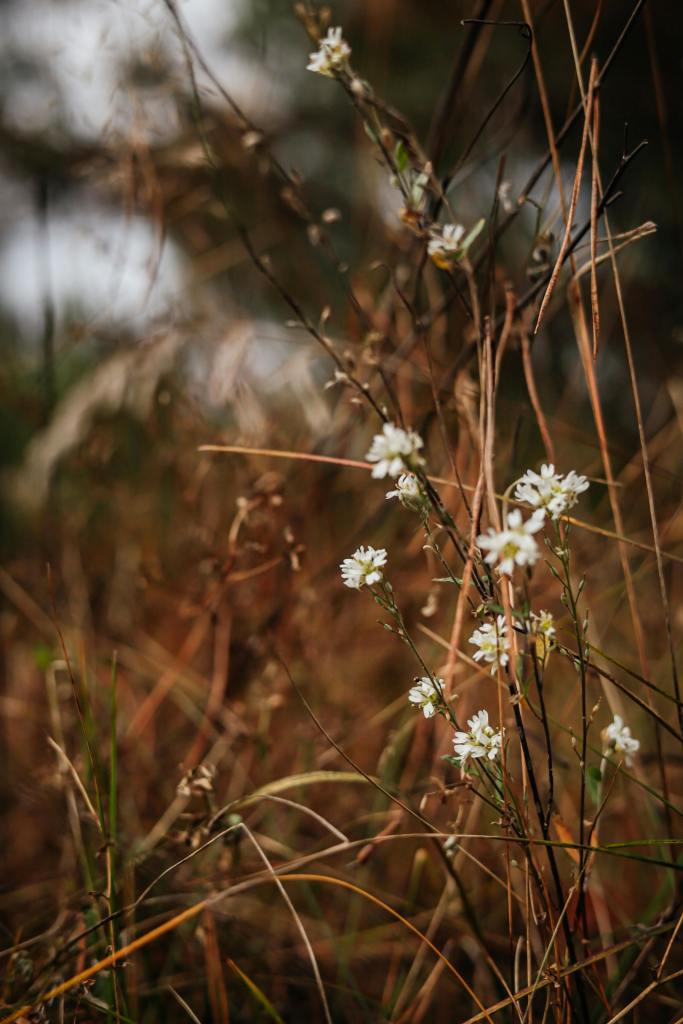
- The Spring Awakening (April – May): When the queens emerge from hibernation in the early spring, they are starving and freezing. They need immediate nectar. This is where a cold-hardy food forest shines. Native flowering trees and shrubs like wild plum, serviceberry, and native willows are absolute lifesavers. In the herbaceous layer, spring ephemerals like Virginia waterleaf and wood betony provide critical early fuel before the rest of the garden wakes up.
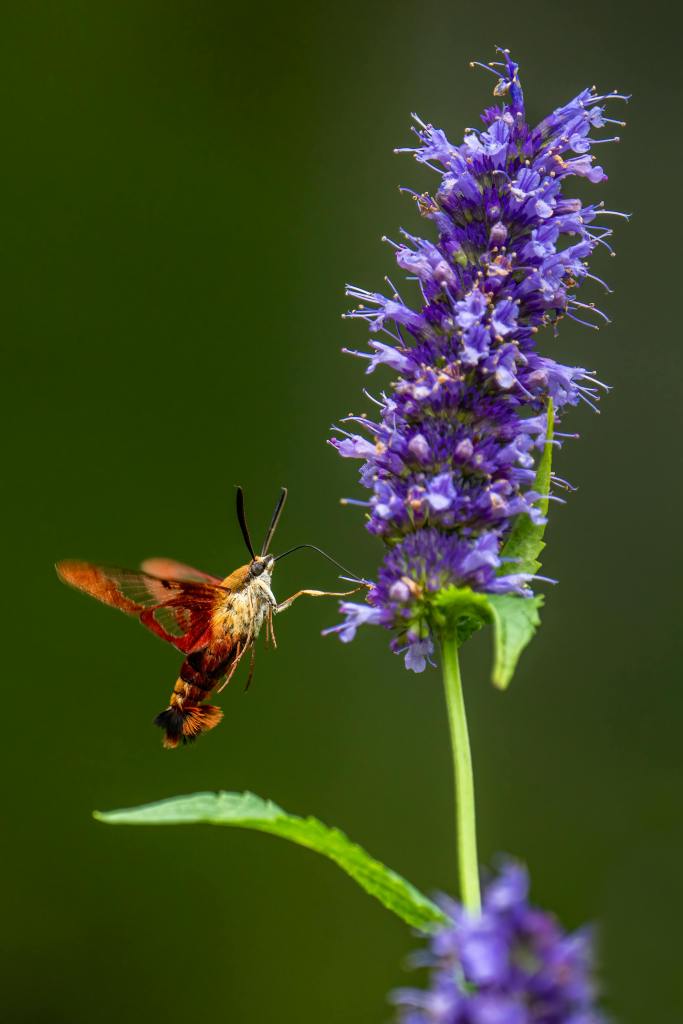
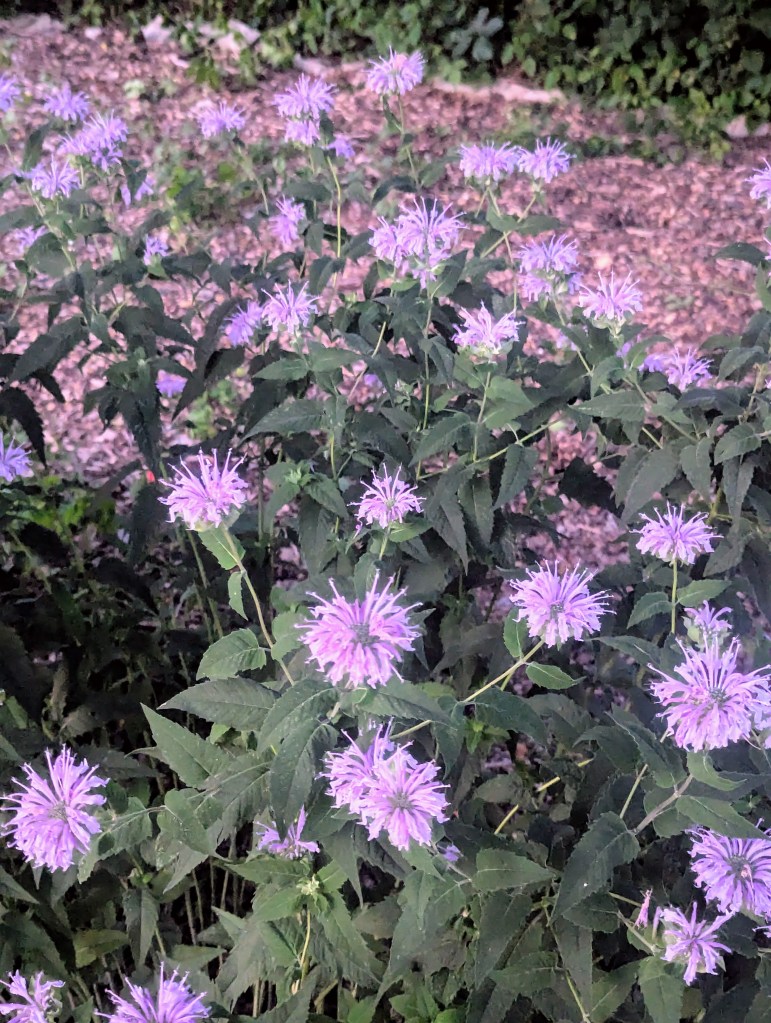
- The Summer Superfoods (June – August): At the height of summer, the colony is expanding rapidly. They need high-octane nectar. Purple Giant Hyssop (Agastache scrophulariifolia) and Culver’s Root are absolute magnets for them. But the true MVP is Wild Bergamot (Monarda fistulosa). Not only is it an aggressive, fast-establishing native, but its nectar actually acts as an immune-system booster for the bees!
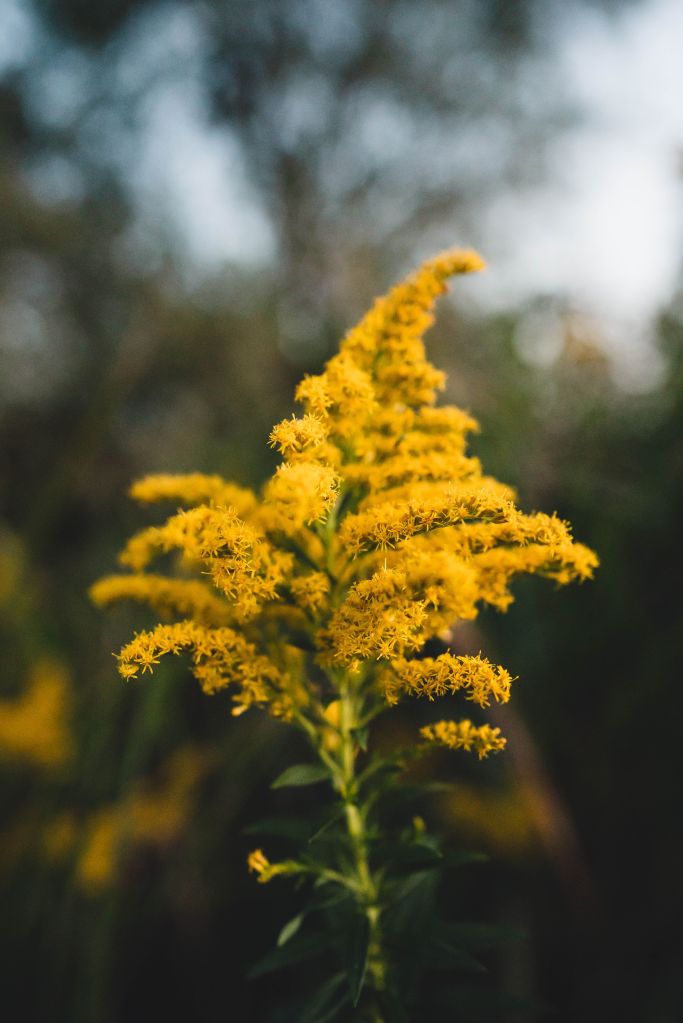
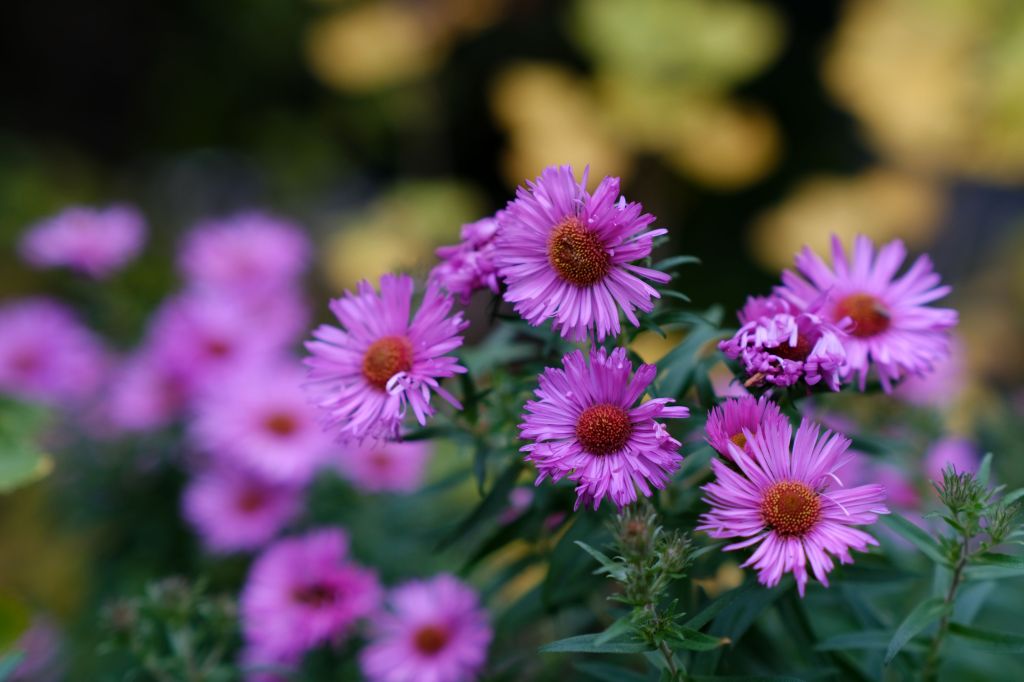
- The Fall Finishers (September – October): As the season winds down, the new queens need to fatten up to survive the brutal Zone 4 winter. Late-blooming powerhouses like Showy Goldenrod and New England Aster are non-negotiable for the autumn permaculture border.
2. Embrace the Mess: The Lived-In Landscape is Habitat
We spend a lot of time talking about the “lived-in landscape” here at Prairie Frost—the idea that a functional family yard shouldn’t look like a pristine, manicured golf course. For the Rusty Patched Bumblebee, that slightly wild, messy aesthetic is literally the difference between life and death.
Unlike honeybees, Rusty Patched Bumblebees nest in the ground. They actively look for undisturbed, loose soil, abandoned rodent holes, and the thick leaf litter found along scrubby woodland edges.
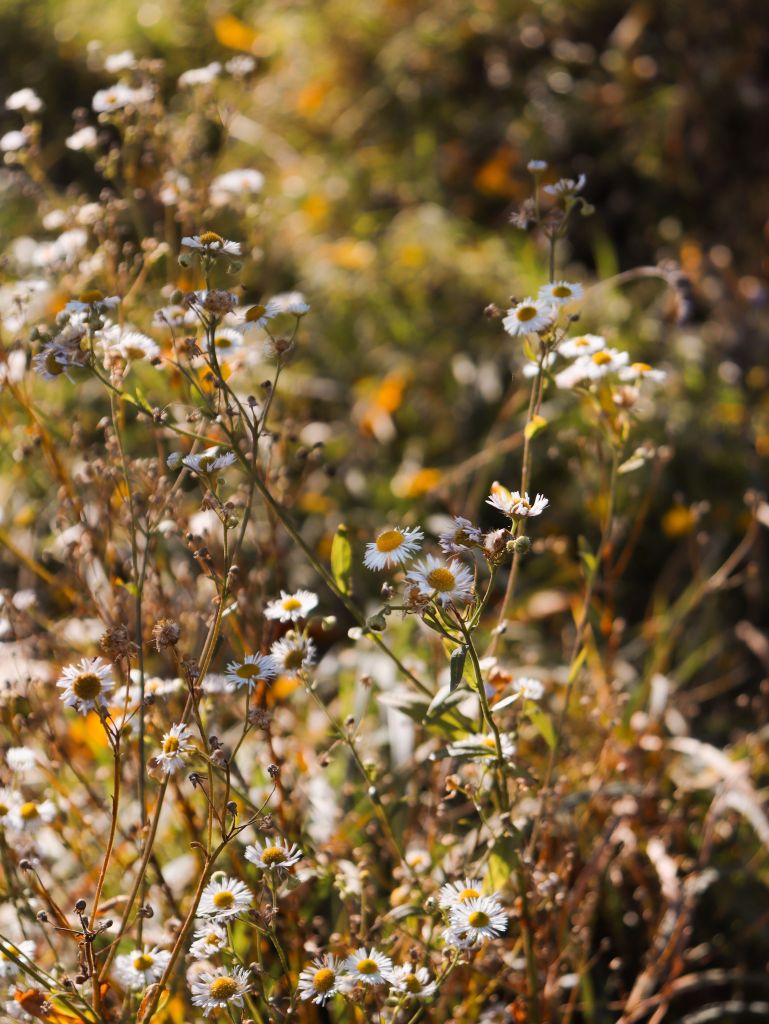
When you push the “wildness” to the edges of your property—leaving the leaves where they fall, allowing a brush pile to break down naturally in the corner, and skipping the heavy tillers—you are building the exact overwintering habitat the new queens desperately need to survive the deep freeze.

The Permaculture Payoff
You don’t need a massive nature preserve to make an impact. A single patch of Wild Bergamot and an undisturbed, leafy border at the edge of your lawn is enough to support a colony. When we design our yards to embrace the wilder side of ecology, we aren’t just gardening—we are actively pulling a species back from the brink.
What native “superfood” are you adding to your garden this year? Let me know in the comments below!