Permaculture for the Northern Garden

Blog

  • Feeding the Queens: A Zone 4 Permaculture Guide to Saving the Rusty Patched Bumblebee

    Feeding the Queens: A Zone 4 Permaculture Guide to Saving the Rusty Patched Bumblebee

    A Highly Local Mission

    When we talk about planting for pollinators, it is easy to picture a generic butterfly or a domesticated honeybee. But here in the Driftless region, our gardens have a much more urgent mission. Our specific pocket of the upper Midwest is one of the last remaining strongholds for the endangered Rusty Patched Bumblebee (Bombus affinis).

    Saving an endangered species sounds like a job for conservation scientists, but the reality is that the survival of this specific bumblebee comes down to backyard habitats. Because they rely on a constant food source and undisturbed ground to survive, the traditional, heavily manicured suburban lawn has pushed them to the brink.

    By applying a few core permaculture principles to our northern gardens, we can turn a standard yard into a lifeline.

    1. The Long Haul: Designing a Three-Season Buffet

    The tricky thing about the Rusty Patched Bumblebee is that their colonies are active for an incredibly long time—from the first thaw in April all the way to the hard frosts of October. If there is a gap in nectar production during that window, the colony starves. You need a landscape that works through all three growing seasons.
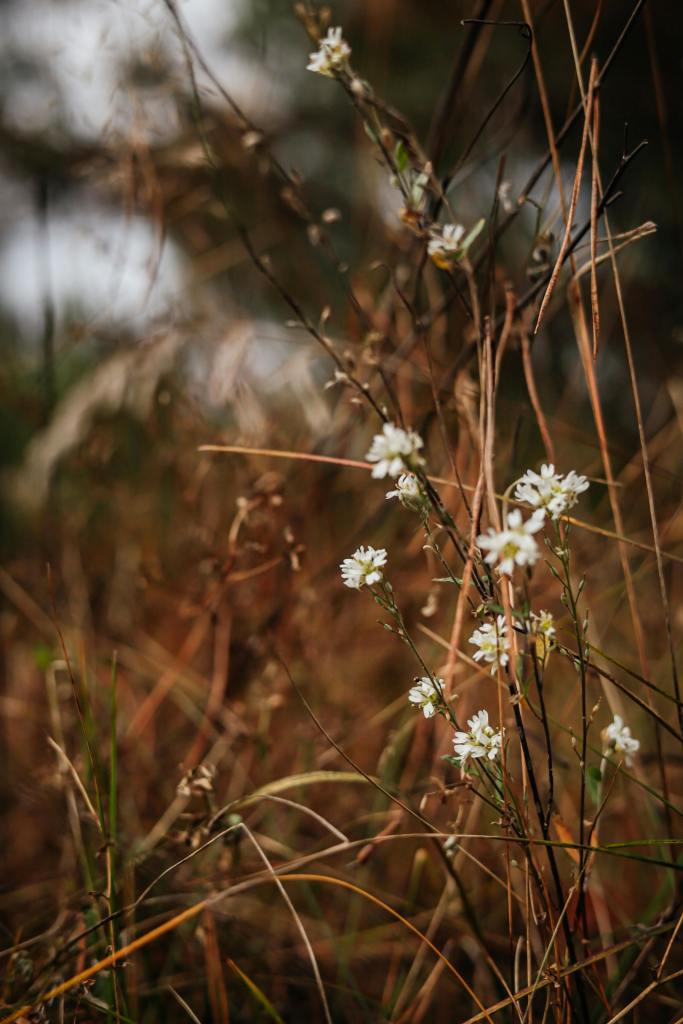
    • The Spring Awakening (April – May): When the queens emerge from hibernation in the early spring, they are starving and freezing. They need immediate nectar. This is where a cold-hardy food forest shines. Native flowering trees and shrubs like wild plum, serviceberry, and native willows are absolute lifesavers. In the herbaceous layer, spring ephemerals like Virginia waterleaf and wood betony provide critical early fuel before the rest of the garden wakes up.
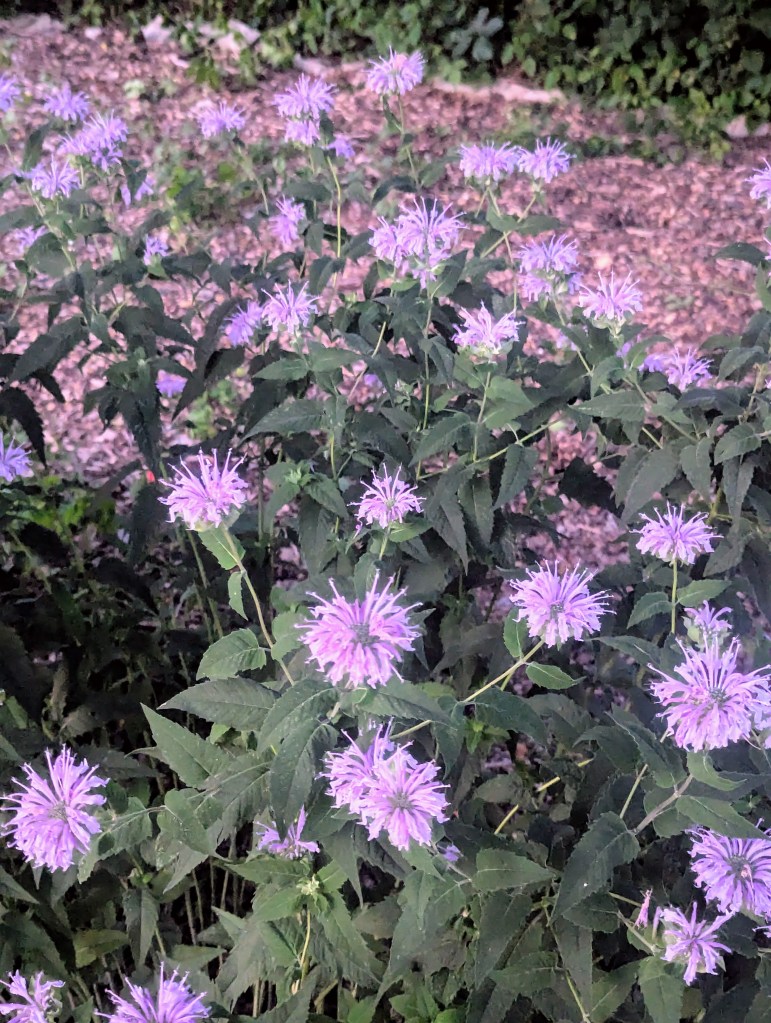
    • The Summer Superfoods (June – August): At the height of summer, the colony is expanding rapidly. They need high-octane nectar. Purple Giant Hyssop (Agastache scrophulariifolia) and Culver’s Root are absolute magnets for them. But the true MVP is Wild Bergamot (Monarda fistulosa). Not only is it an aggressive, fast-establishing native, but its nectar actually acts as an immune-system booster for the bees!
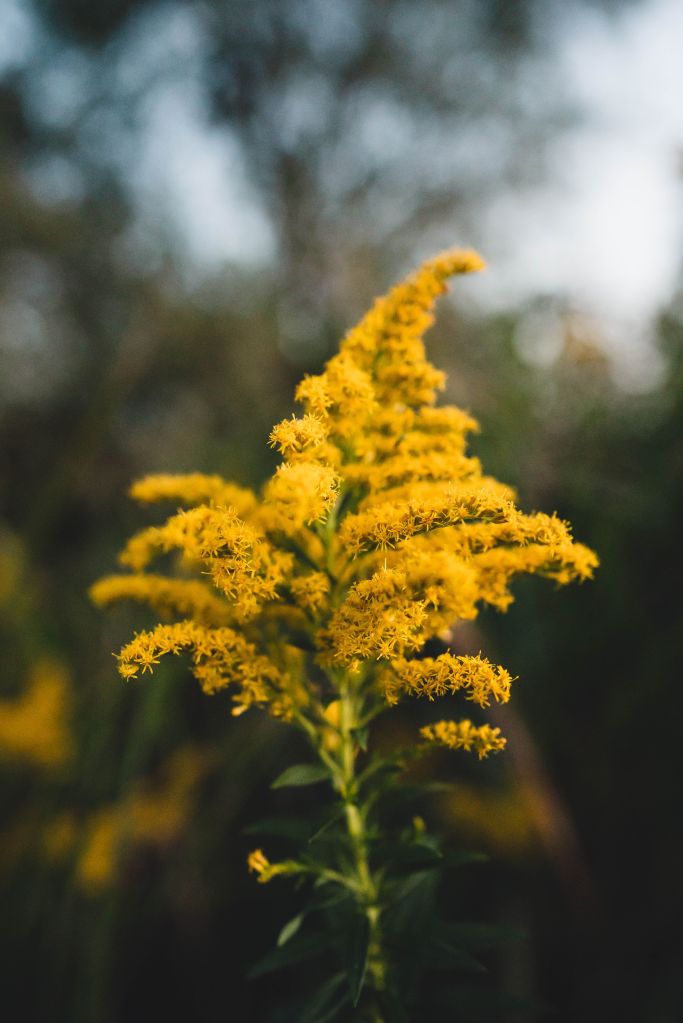
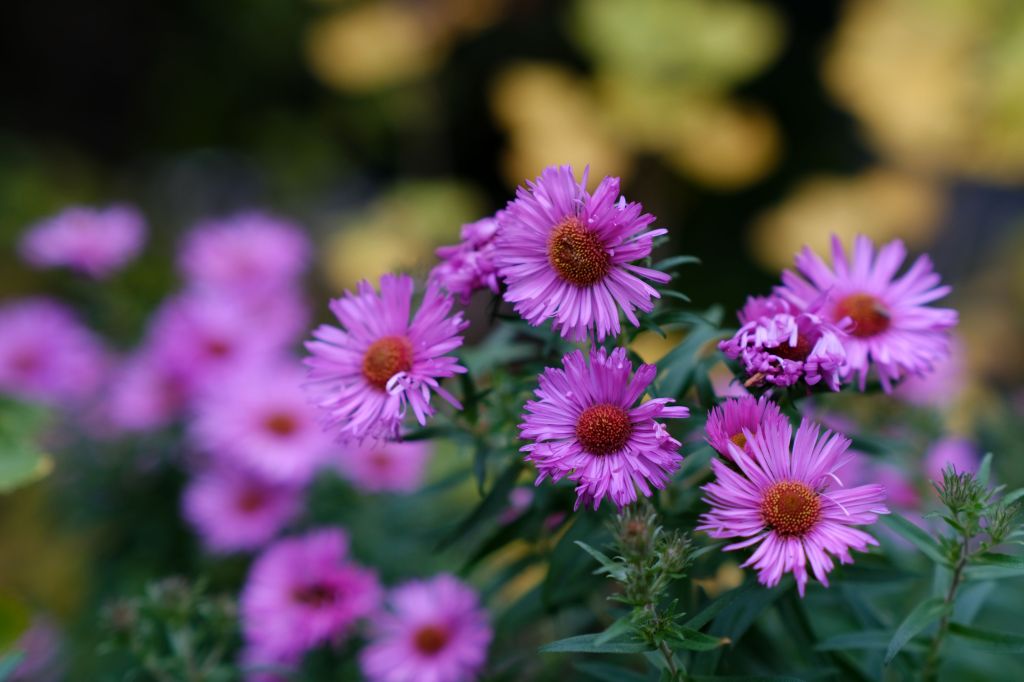
    • The Fall Finishers (September – October): As the season winds down, the new queens need to fatten up to survive the brutal Zone 4 winter. Late-blooming powerhouses like Showy Goldenrod and New England Aster are non-negotiable for the autumn permaculture border.
    2. Embrace the Mess: The Lived-In Landscape is Habitat

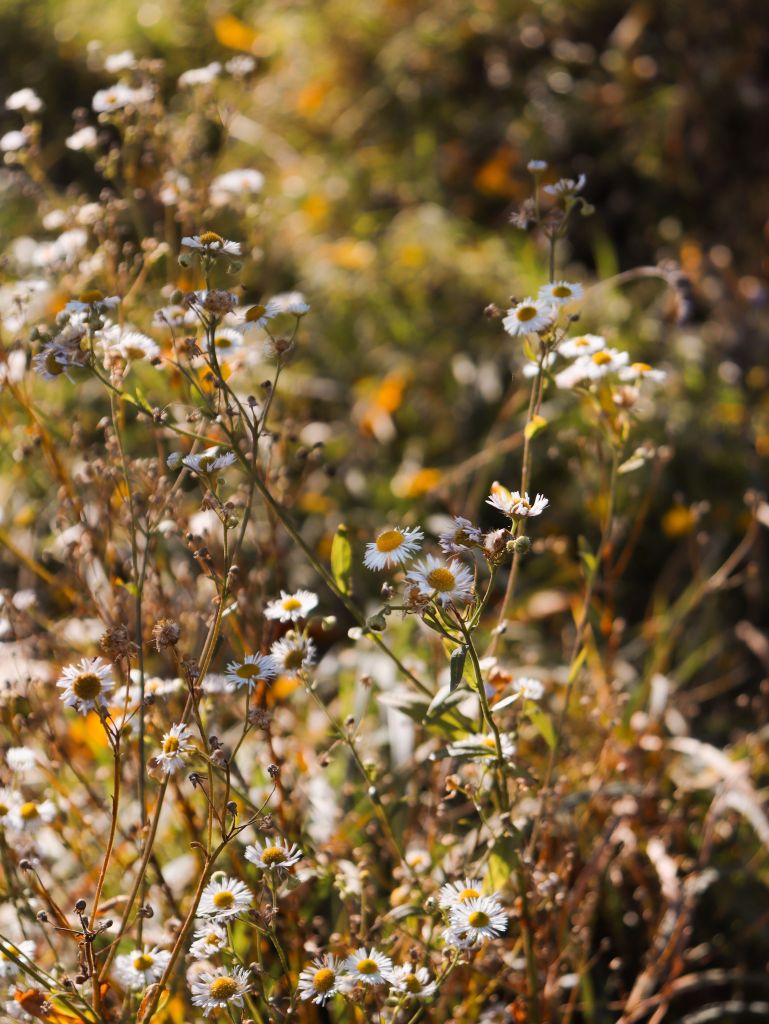
    We spend a lot of time talking about the “lived-in landscape” here at Prairie Frost—the idea that a functional family yard shouldn’t look like a pristine, manicured golf course. For the Rusty Patched Bumblebee, that slightly wild, messy aesthetic is literally the difference between life and death.

    Unlike honeybees, Rusty Patched Bumblebees nest in the ground. They actively look for undisturbed, loose soil, abandoned rodent holes, and the thick leaf litter found along scrubby woodland edges.

    When you push the “wildness” to the edges of your property—leaving the leaves where they fall, allowing a brush pile to break down naturally in the corner, and skipping the heavy tillers—you are building the exact overwintering habitat the new queens desperately need to survive the deep freeze.
    The Permaculture Payoff

    You don’t need a massive nature preserve to make an impact. A single patch of Wild Bergamot and an undisturbed, leafy border at the edge of your lawn is enough to support a colony. When we design our yards to embrace the wilder side of ecology, we aren’t just gardening—we are actively pulling a species back from the brink.

    What native “superfood” are you adding to your garden this year? Let me know in the comments below!

  • Paint by Nature: Designing a Native Pollinator Garden with Color Theory

    Paint by Nature: Designing a Native Pollinator Garden with Color Theory

    Complementary colors sit directly opposite each other on the color wheel (think blue/orange, red/green, or purple/yellow). When planted side-by-side, they make each other pop with incredible intensity.

    The High-Impact Complementary Scheme

    For the northern garden, Purple and Yellow is the ultimate native combination. It’s a classic late-summer pairing that thrives in full sun.

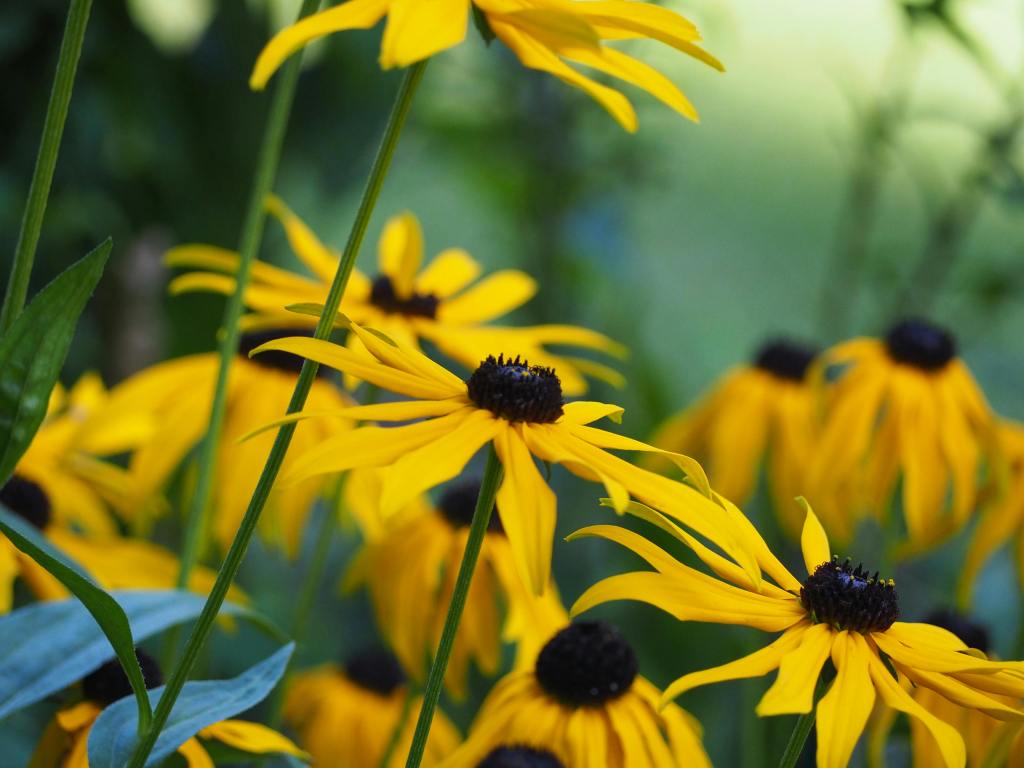
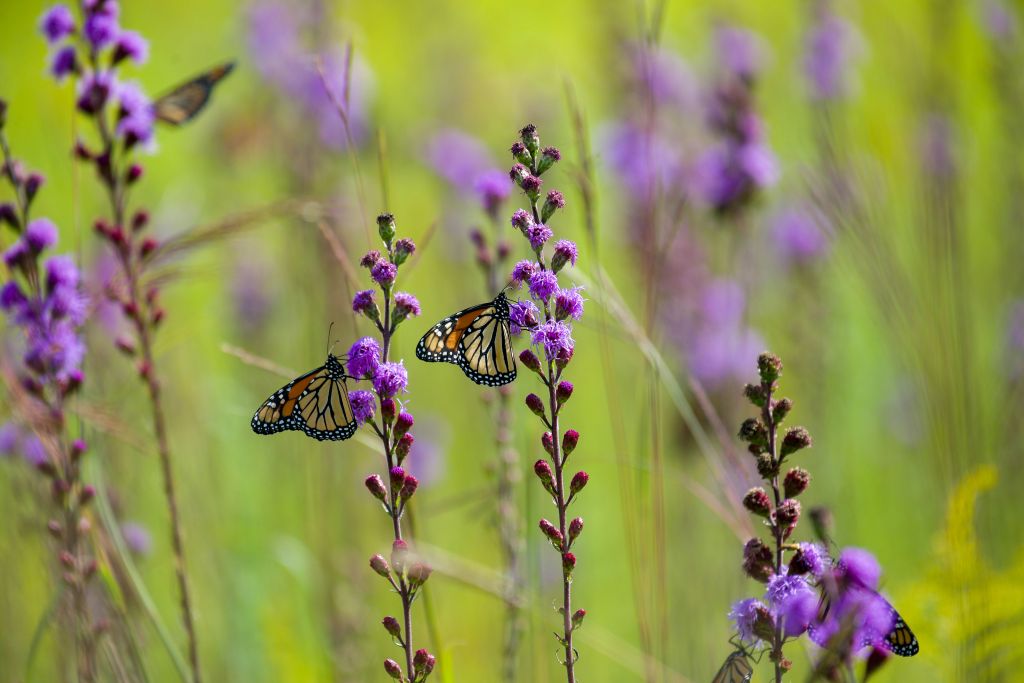
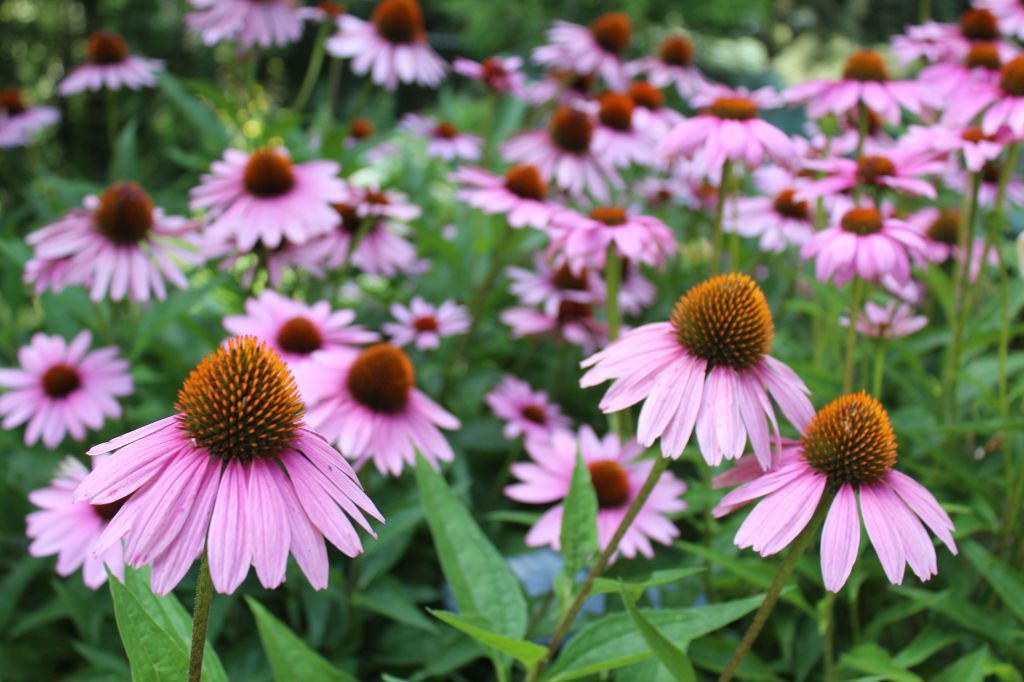
    • The Plants: Pair the bright yellow, daisy-like heads of Black-Eyed Susan (Rudbeckia hirta) or Yellow Coneflower (Ratibida pinnata) with the striking lavender petals of Purple Coneflower (Echinacea purpurea) or Meadow Blazing Star (Liatris ligulistylis).
    • The Pollinators: This combination is an absolute magnet for Monarchs bulking up on nectar before their fall migration.

    The Analogous “Hot” Garden

    Analogous color schemes use three colors that sit right next to each other on the color wheel. This creates a harmonious, unified feeling that is incredibly easy on the eyes. A “hot” analogous scheme focuses entirely on warm tones: reds, oranges, and yellows.

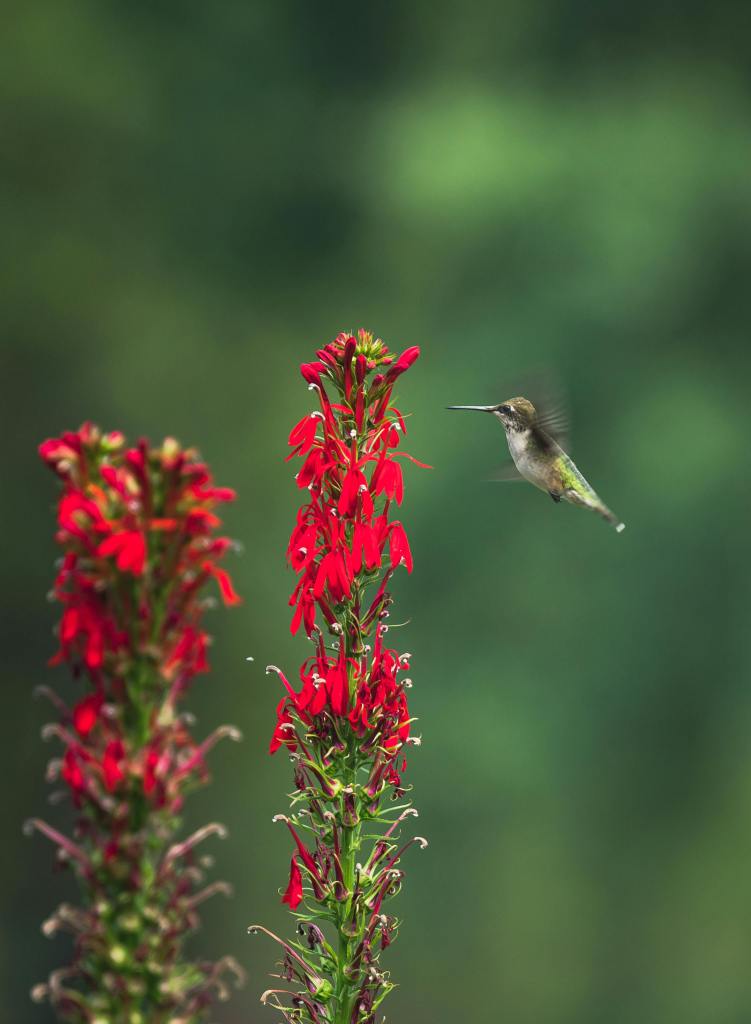
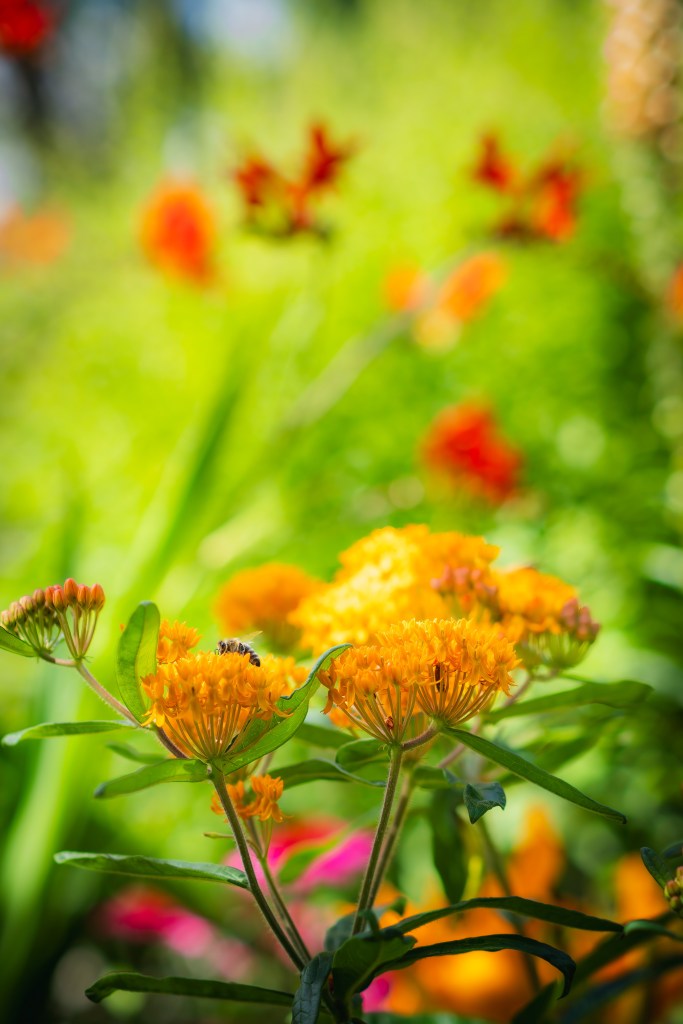
    • The Plants: Start with the brilliant crimson of the Cardinal Flower (Lobelia cardinalis) in your moister spots or rain gardens. Bridge into orange with Butterfly Weed (Asclepias tuberosa), and finish with the bright, early-season yellow of Golden Alexander (Zizia aurea).
    • The Pollinators: Hummingbirds are visually drawn to tubular red flowers, while the Asclepias acts as the critical host plant for Monarch caterpillars.

    The “Three-Color” Rule

    If you are facing a blank canvas and feeling overwhelmed at the nursery, use the strict three-color rule. Pick exactly three colors (for example: white, pink, and blue) and ruthlessly stick to them. This immediately brings order to a wild space.

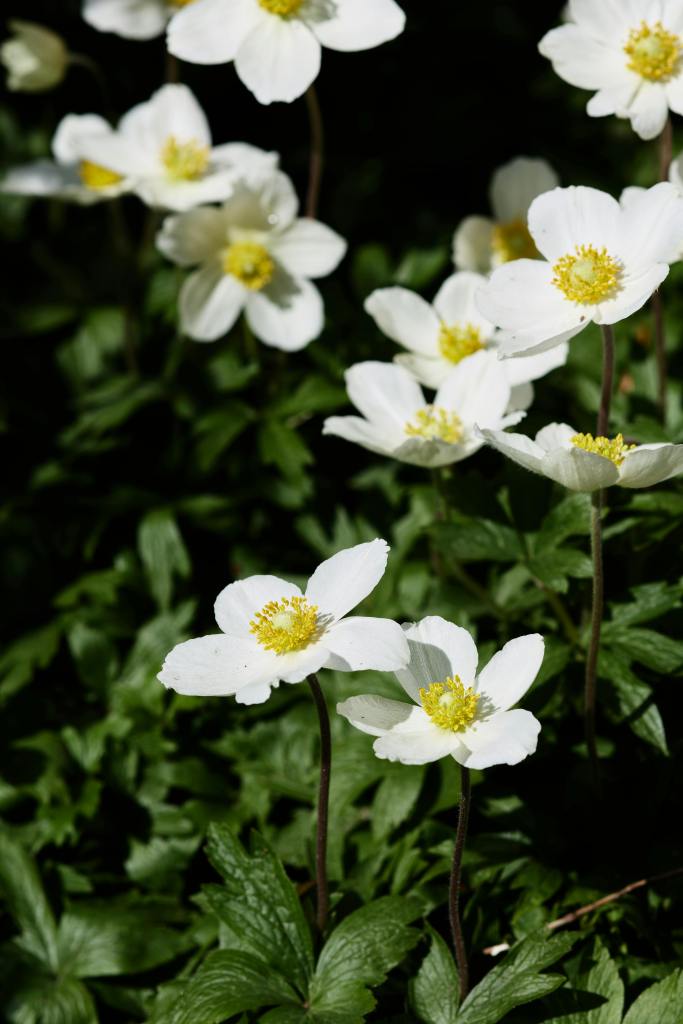
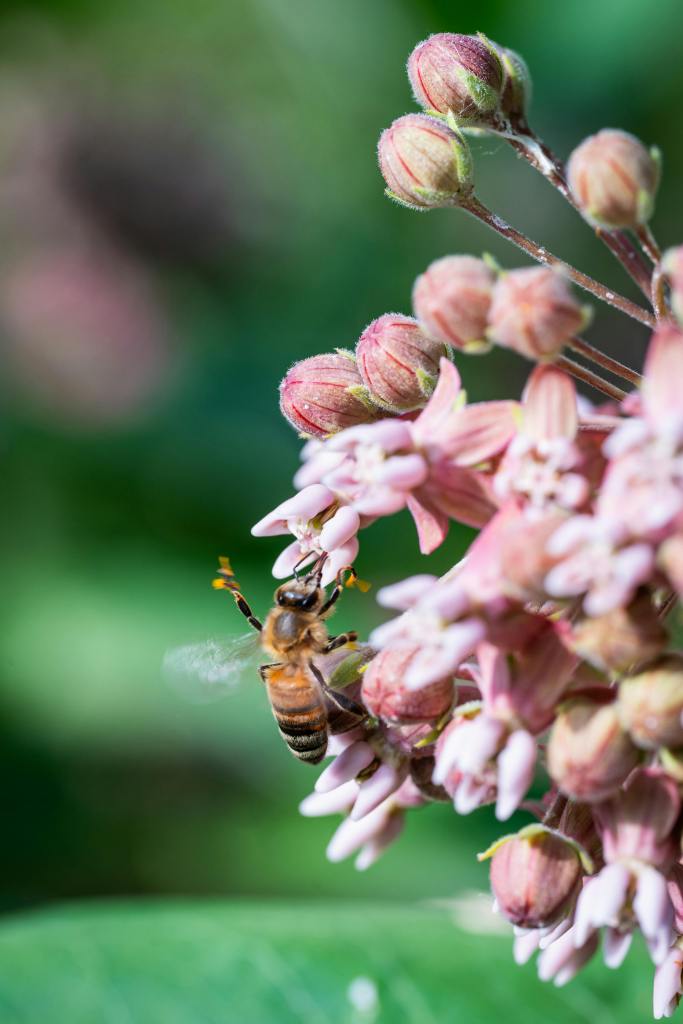
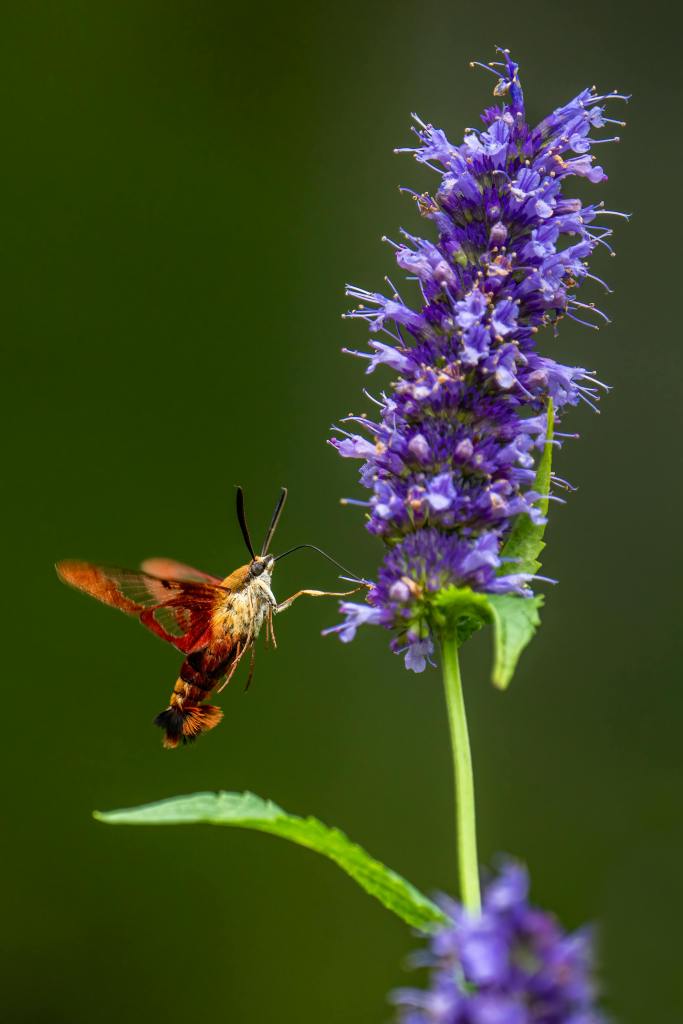
    • The Plants: Try the crisp white of Canada Anemone (Anemone canadensis), the soft pink of Swamp Milkweed (Asclepias incarnata), and the deep purple-blue of Anise Hyssop (Agastache foeniculum).
    • The Design Perk: Repeating these exact same three colors in drifts across your yard tricks the eye into seeing an intentional, continuous landscape rather than a random assortment of individual plants.

    Key insight: You don’t have to overhaul your whole yard at once. Try applying one color scheme to a single 4×8 garden bed this season and see how it transforms the space!

    What color palette are you dreaming up for your pollinator patch this year? Drop your combinations in the comments!

  • Designing for the Frost: Pollinator Plants That Look Beautiful Covered in Snow

    Designing for the Frost: Pollinator Plants That Look Beautiful Covered in Snow

    For half the year in a Zone 4 climate, our gardens are asleep. The traditional landscaping approach tells us to spend our autumns frantically “putting the garden to bed”—cutting every perennial down to the ground, raking away every leaf, and leaving behind a flat, barren expanse of mulch until May.

    But in a northern permaculture system, a garden doesn’t stop working just because it’s frozen.

    By strategically choosing cold-hardy plants with strong structural elements, you can create a landscape that is just as breathtaking in January as it is in July. Instead of fighting the frost, we can design for it. Here are the powerhouse plants that transform a dormant, snow-covered yard into a beautiful, functional winter ecosystem.

    1. The Wispy Architecture: Native Prairie Grasses

    When everything else has lost its leaves, native grasses provide essential movement and texture to a frozen landscape.

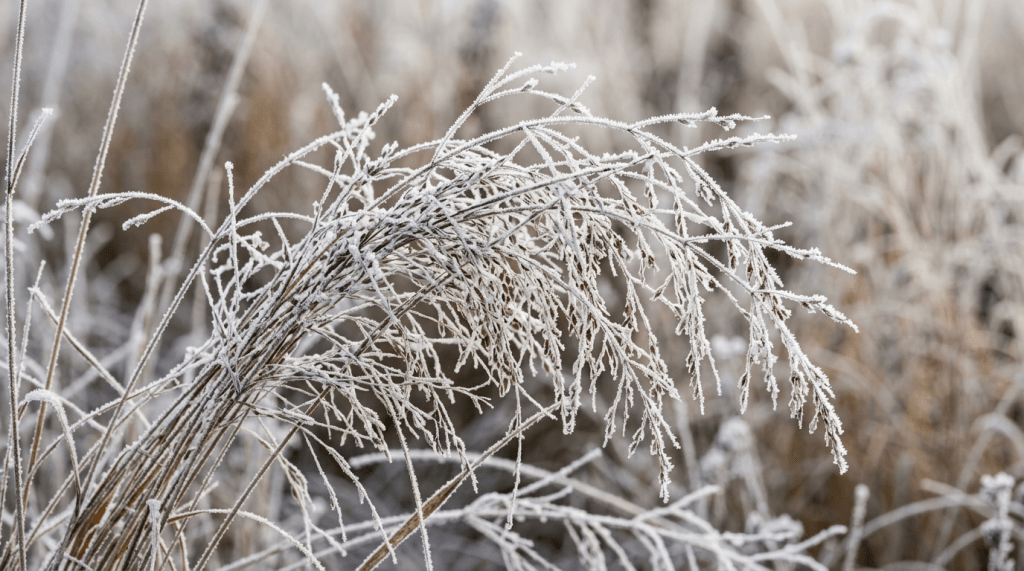
    Prairie Dropseed

    Grass blades coated with white frost ice crystals in winter
    Delicate blades of grass covered in frost on a cold winter day

    This is an absolute staple for winter interest. Because it grows in a graceful, fountain-like mound, it catches early morning frost beautifully. Even under a heavy snowfall, the thin blades maintain their elegant, sweeping shape, adding a soft, wild texture to the edges of your garden beds.

    Little Bluestem

    Little Bluestem (Schizachyrium scoparium)
    Close-up of Little Bluestem

    The rigid, upright stems take on a gorgeous copper-rust color in the deep cold, creating a striking contrast against a blanket of white snow.

    2. Flat Tops and Seed Heads: The Snow Catchers

    To make a winter garden visually interesting, you need varying heights and shapes. Plants with rigid stems and prominent seed heads act like tiny shelves, catching and holding pockets of snow.

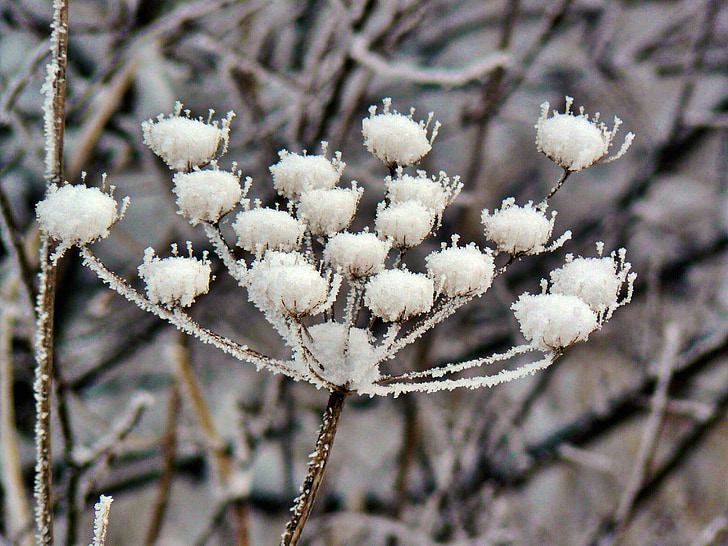
    Yarrow

    The flat, umbel flower heads of yarrow are nature’s perfect snow-catchers. When left standing, these strong stems hold their structure straight through the harshest winter winds, creating beautiful, frosted architectural tiers in your garden borders.

    Purple Coneflower & Asters

    The dark, spiky cones of coneflowers and the dense, structural stems of late-season asters stand tall above the snowline. Beyond looking incredibly rugged and beautiful, these seed heads serve a vital permaculture function: they act as a natural bird feeder, drawing goldfinches and chickadees to your yard all winter long.

    3. The Woody Contrast: Shrubs and Hedges

    A resilient northern garden relies on layers. Incorporating tough, cold-hardy shrubs gives your yard a permanent backbone that grounds the more delicate perennials.

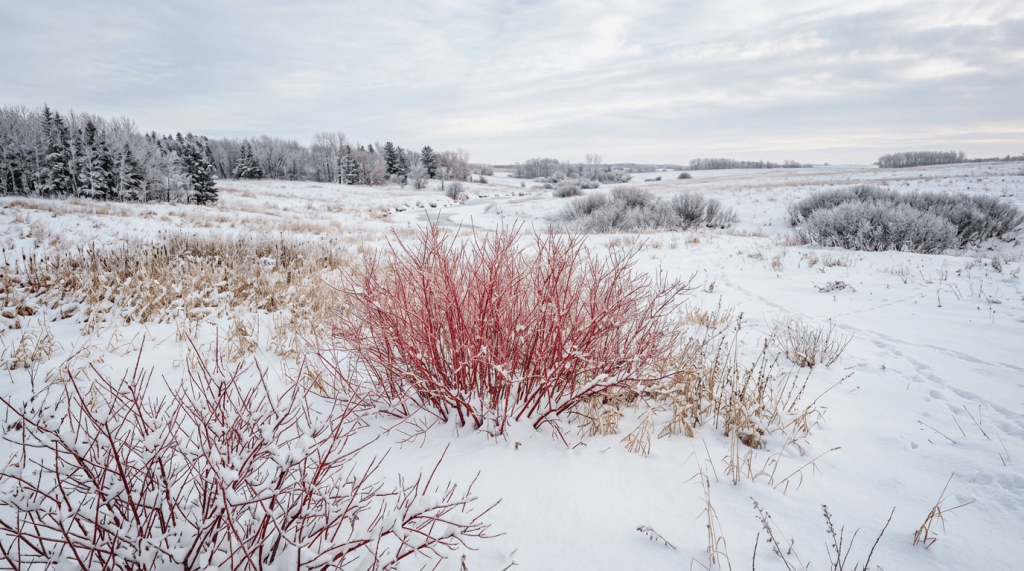
    Red Osier Dogwood

    Red leafless bushes covered in snow in a snowy field with trees in the background
    Red Dogwood branches contrast against a snowy winter field.

    If you want a brilliant pop of color, the bright crimson stems of this native dogwood against a snowy, dormant backdrop are unbeatable.

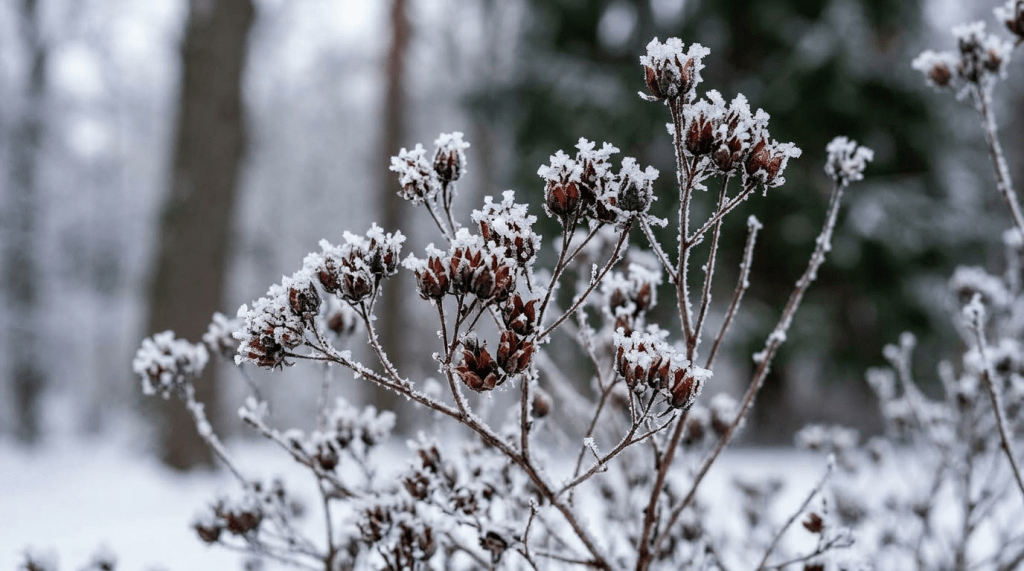
    Ninebark

    Bush with branches heavily covered in snow in a forest
    Common Ninebark covered in fresh snow in a snowy forest clearing

    As this tough shrub matures, its peeling, exfoliating bark adds incredible tactile texture to a winter landscape, while its dried seed clusters look beautiful when tipped with frost.

    Witch Hazel

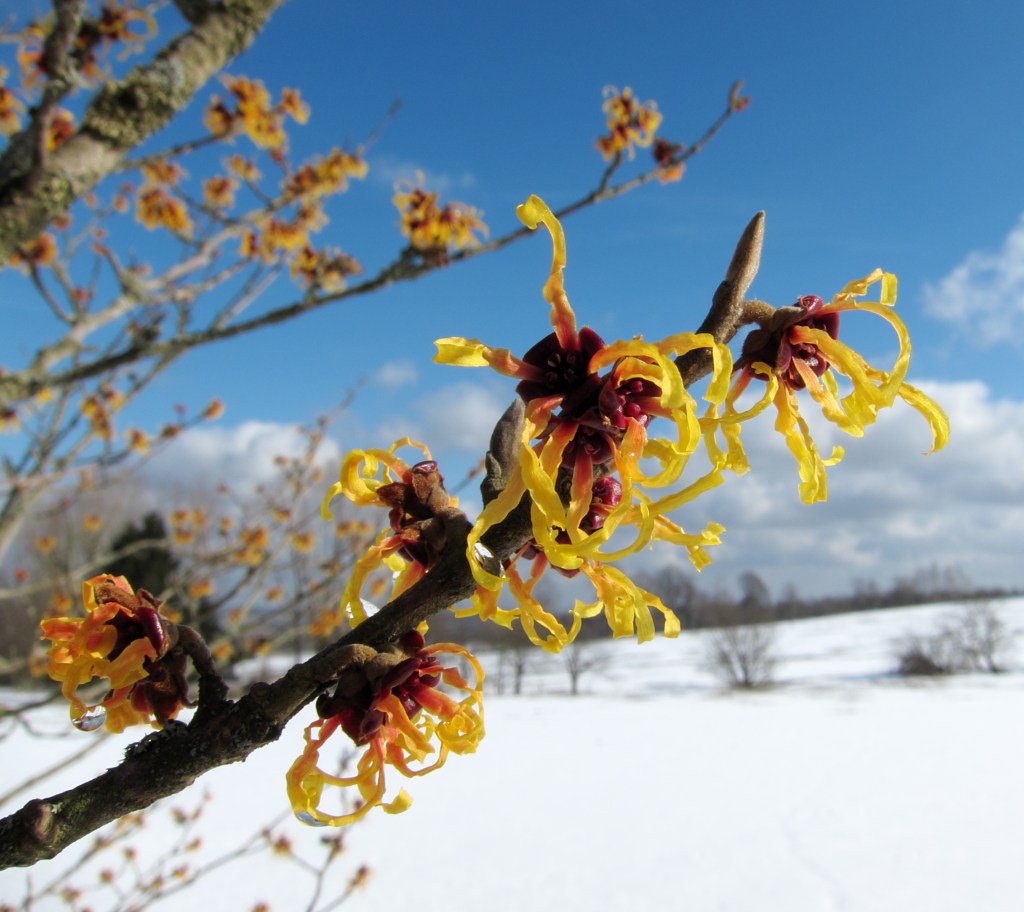
    Against a stark, snowy backdrop, witch hazel feels almost like a botanical magic trick. Its spidery, ribbon-like petals unfurl in striking bursts of yellow, copper, and red, cutting right through the monochromatic landscape of late winter.

    What makes it truly remarkable in a harsh northern climate is its resilience—the delicate-looking blooms simply curl themselves into tight little fists during deep freezes, only to unfurl beautifully the moment the winter sun returns.

    The Permaculture Payoff: Why We Leave It Standing

    Designing for the frost isn’t just an aesthetic choice; it is the foundation of an ecological yard. When you step back and allow your landscape to remain slightly wild through the winter, you are participating in active permaculture:

    Insulation: Standing stems and fallen leaves act as a natural snow fence, trapping snow over the crowns of your plants and insulating their deep roots against freezing temperatures.

    Overwintering Habitat: Native solitary bees and beneficial insects hibernate inside the hollow stems of perennials like yarrow and coneflower.

    Less Work, More Life: By skipping the massive autumn cutback, you save yourself hours of backbreaking labor and allow the garden’s natural life cycle to continue uninterrupted.

    The Takeaway

    The next time the first frost rolls in, resist the urge to cut everything down to the ground. Let the yarrow catch the snow. Let the prairie dropseed freeze into beautiful, sweeping mounds. A truly resilient northern garden doesn’t need to be manicured into submission—it just needs to be planted with the frost in mind.

    What is your favorite plant to leave standing in the winter? Let us know in the comments below!